
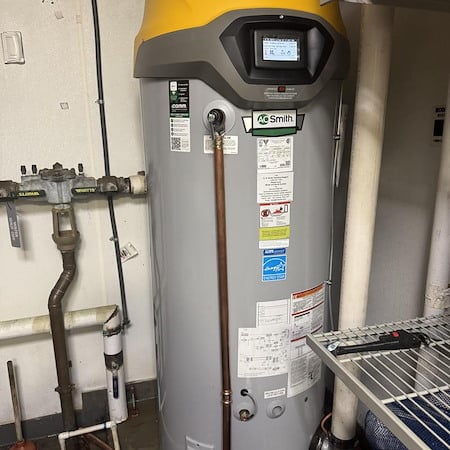
Late winter is an ideal time to find out how well your water heater made it through the coldest part of the year.
By February and March, your water heater has already handled months of increased winter demand. Colder incoming water, longer hot showers, holiday guests, and heavier daily use can expose performance problems that were less noticeable during warmer weather.
For homeowners in Marietta, GA, this makes late winter a practical time to inspect the system, address developing problems, and make sure your household has dependable hot water before spring schedules get busy.
If your water heater is taking longer to recover, producing inconsistent temperatures, making unusual noises, leaking, or showing signs of corrosion, it is worth having the system professionally inspected.
Why February and March Are Good Months for Water Heater Maintenance
Your water heater works throughout the year, but winter can be especially demanding.
Incoming groundwater is colder, which means the system may have to work harder to bring water up to the desired temperature.
Households may also use more hot water for:
- Longer showers
- Baths
- Laundry
- Dishwashing
- Holiday guests
- Colder morning and evening routines
By late winter, small performance issues may become easier to notice.
February and March also give homeowners time to address those issues before spring travel, guests, graduations, renovations, and heavier household schedules begin.
Your Water Heater Has Just Been Through Peak Winter Demand
Winter can reveal weaknesses that may have been developing quietly.
You may begin noticing:
- Longer recovery times
- Hot water running out sooner
- Fluctuating temperatures
- Reduced hot-water pressure
- New noises
- Higher utility usage
- Water around the base of the unit
These symptoms do not automatically mean the water heater needs replacement.
Many problems can be traced to components, sediment buildup, valves, controls, plumbing connections, or maintenance issues that should be evaluated before a larger failure occurs.
Cold Weather Can Make Performance Problems More Noticeable
Water entering the home during winter is typically colder than during warmer months.
That means the water heater has more work to do before delivering hot water at the faucet.
A system that performs reasonably well in summer may struggle during colder weather if it already has underlying efficiency or capacity issues.
You might notice that:
- Showers do not stay hot as long
- The heater takes longer to recover
- Back-to-back showers become difficult
- Water temperature changes during laundry or dishwashing
- The system seems to run more frequently
Late winter gives you a good opportunity to evaluate whether the heater is still meeting your household’s needs.
Spring Is Easier When You Handle Water Heater Problems Early
Plumbing problems rarely become more convenient with time.
If your water heater is already showing warning signs in February or March, addressing them before spring can help you avoid an unexpected loss of hot water when your household schedule becomes busier.
Spring may bring:
- Houseguests
- School activities
- Sports schedules
- Home improvement projects
- Graduations
- Travel
- More laundry and cleaning
A water heater inspection gives you a chance to identify developing issues before they interfere with those plans.
What Are the Warning Signs Your Water Heater Needs Attention?
Water heaters often give homeowners clues before they fail completely.
Pay attention to changes in how the system sounds, looks, and performs.
Common warning signs include:
- Hot water running out faster than usual
- Longer heating or recovery times
- Water that alternates between hot and cold
- Rumbling or popping noises
- Rust-colored hot water
- Metallic-tasting or unusual-smelling hot water
- Moisture around the tank
- Rust or corrosion around fittings
- Mineral deposits around plumbing connections
- Water collecting in the drain pan
- Visible leakage
- Unusual operation of the burner or controls
A sudden change in performance deserves more attention than a system that has behaved the same way for years.
What Does a Professional Water Heater Inspection Include?
A professional inspection looks at more than whether the water gets hot.
The plumber should evaluate the condition, safety, performance, and plumbing connections of the system.
Depending on the type of water heater, an inspection may include checking:
- Thermostat operation
- Temperature settings
- Recovery performance
- Temperature and pressure relief components
- Shutoff valves
- Water connections
- Expansion tank condition
- Drain pan and drain connections
- Visible corrosion
- Tank condition
- Electrical connections on electric units
- Gas connections on gas-fired units
- Venting and combustion-air conditions
- Signs of leakage
- Unusual noises or operating behavior
The specific inspection should match the type, age, condition, and installation of the water heater.
Why the Temperature and Pressure Relief Valve Matters
Storage water heaters include a temperature and pressure relief system designed to help protect the tank from unsafe temperature or pressure conditions.
This safety component should not be ignored.
Signs that deserve professional attention include:
- Continuous dripping or discharge
- Visible corrosion
- A damaged discharge pipe
- Water collecting around the valve
- Signs the valve has been altered or capped
Homeowners should not modify, block, or disable safety components on a water heater.
If the relief valve is repeatedly discharging, the underlying cause should be professionally evaluated.
What Should You Do If You Smell Gas Near a Water Heater?
If you smell gas around a gas-fired water heater, treat the situation seriously.
Do not attempt to repair the gas control yourself.
Avoid creating flames or sparks, leave the immediate area, and follow your gas utility’s emergency instructions.
Once the area is safe, a qualified professional can determine whether the problem involves the water heater, gas control, connection, or another part of the fuel system.
Why Water Heater Sediment Can Affect Performance
Minerals naturally present in water can settle inside some storage-tank water heaters over time.
As sediment accumulates, homeowners may begin noticing:
- Rumbling or popping noises
- Longer recovery times
- Reduced usable hot-water capacity
- Changes in efficiency
- Unusual operating sounds
The appropriate maintenance depends on the manufacturer, type of heater, age of the system, and water conditions.
A plumber can evaluate whether maintenance is appropriate and whether the condition of the tank still supports continued service.
Do Not Ignore Small Water Heater Leaks
A small amount of moisture around a water heater can be easy to dismiss.
That can be a mistake.
Water may originate from:
- Plumbing connections
- Valves
- The drain connection
- The temperature and pressure relief system
- Expansion components
- The tank itself
A connection that is slowly dripping today can potentially become a larger leak later.
If moisture repeatedly appears around the heater, have the source identified rather than simply drying the area.
Water Heater Placement Matters in Marietta Homes
Water heaters are installed in many different locations throughout Marietta homes.
Common locations include:
- Garages
- Basements
- Utility rooms
- Closets
- Crawlspace-adjacent areas
- Interior mechanical rooms
Units installed near exterior walls or in colder areas of the home may experience different conditions from systems installed entirely within conditioned space.
Accessibility also matters.
Keep the area around your water heater reasonably clear so a plumber can inspect valves, connections, venting, electrical components, and safety devices without unnecessary obstruction.
Do not store combustible materials directly around gas-fired equipment.
How an Inspection Can Improve Hot-Water Reliability
A water heater inspection is not just about preventing a catastrophic failure.
It can also help identify smaller problems affecting daily comfort.
That may include:
- Slow recovery
- Inconsistent temperatures
- Insufficient hot-water capacity
- Control issues
- Plumbing restrictions
- Sediment-related performance problems
- Improper settings
- Aging components
Finding the actual cause makes it easier to determine whether maintenance, repair, adjustment, or replacement is the appropriate next step.
Should You Repair or Replace Your Water Heater?
Not every water-heater problem means you need a new unit.
Repair may make sense when:
- The overall system is still in good condition
- The problem involves a serviceable component
- The tank is not leaking
- The unit continues to meet household demand
- Repair costs remain reasonable
Replacement may deserve consideration when:
- The tank itself is leaking
- Problems are becoming frequent
- Corrosion is extensive
- Repairs are becoming increasingly expensive
- The system no longer provides enough hot water
- The existing heater is nearing the end of its practical service life
A professional inspection can give you the information needed to compare those options instead of replacing equipment unnecessarily.
Should You Consider a Tankless Water Heater?
If replacement is already being considered, it can be a good time to compare traditional storage-tank and tankless systems.
Tankless water heaters heat water as it is needed rather than storing a large volume of hot water in a tank.
Whether that is the right solution depends on factors such as:
- Household hot-water demand
- Existing gas or electrical capacity
- Installation location
- Venting requirements
- Plumbing configuration
- Budget
- Simultaneous hot-water use
There is no single water-heater type that is best for every Marietta home.
The system should match the household and the property.
How Often Should a Water Heater Be Inspected?
A regular professional inspection is a practical way to keep track of the condition of the water heater and identify developing problems.
The exact maintenance schedule can vary based on:
- Manufacturer recommendations
- Type of water heater
- Age of the equipment
- Water quality
- Household usage
- Installation conditions
If you have not had the water heater evaluated in a long time, February or March provides a convenient point in the year to start.
Water Heater Inspection Checklist for Homeowners
You do not need to dismantle or service the water heater yourself.
Instead, periodically look for obvious changes.
Check for:
- Water around the base
- Rust or corrosion
- Mineral deposits around fittings
- Unusual noises
- Reduced hot-water supply
- Temperature fluctuations
- Visible damage
- Changes in recovery time
- Water collecting in the drain pan
For gas-fired equipment, also pay attention to unusual odors or signs that the system is not operating normally.
If anything looks unsafe, do not attempt an improvised repair.
Frequently Asked Questions About Water Heater Inspections
Why should I inspect my water heater in February or March?
Late winter gives you an opportunity to evaluate the system after months of heavier cold-weather use and address developing problems before spring schedules become busier.
Is popping or rumbling from my water heater normal?
Occasional operating sounds may vary by system, but new or increasingly loud popping and rumbling can indicate conditions such as sediment buildup and deserve professional evaluation.
Why is my hot water running out faster than it used to?
Possible causes include increased household demand, thermostat or heating-component problems, sediment accumulation, an aging system, or a heater that no longer matches the household’s needs.
Should there be water in the pan underneath my water heater?
A drain pan is intended to help manage leakage. Repeated water in the pan means the source should be identified rather than ignored.
Is rust around my water heater a problem?
Visible rust or corrosion around the tank, connections, valves, or fittings deserves inspection because it may indicate ongoing moisture or deterioration.
Can a water heater be repaired instead of replaced?
Often, yes. Whether repair makes sense depends on what failed, the condition and age of the system, whether the tank is leaking, and the cost of the repair compared with replacement.
When should I call a plumber immediately?
Seek prompt professional assistance if the water heater is rapidly leaking, flooding the surrounding area, repeatedly discharging through a safety valve, or if you smell gas around gas-fired equipment.
Get Your Water Heater Ready Before Spring
February and March are useful months to take stock of your water heater.
The system has already experienced winter demand, giving you an opportunity to spot inconsistent temperatures, slow recovery, leaks, corrosion, unusual noises, and other changes before they become larger problems.
A professional inspection can help determine whether your water heater needs maintenance, repair, or replacement and make sure the system is ready for the months ahead.
Plumbers 4 Real provides professional water heater inspection, repair, replacement, and tankless water heater services throughout Marietta and surrounding communities. Call 404-819-2137 to schedule water heater service.